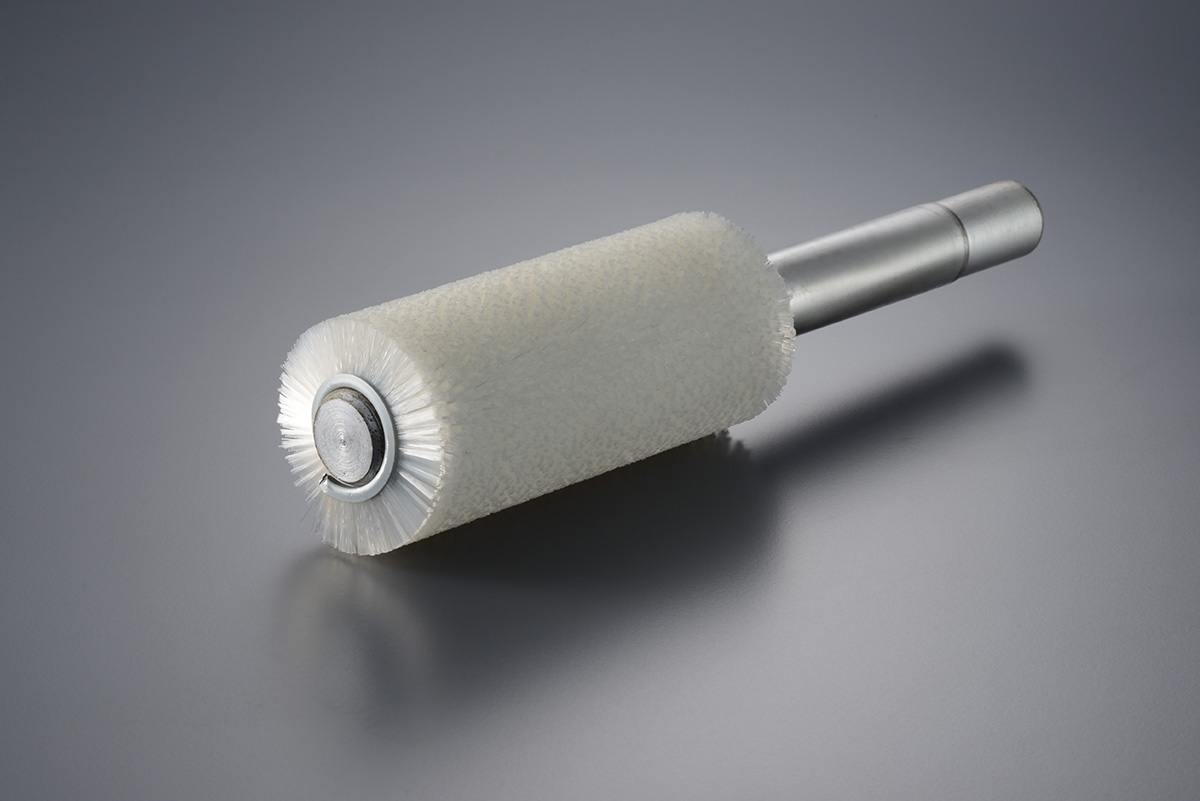
Spiral Brush
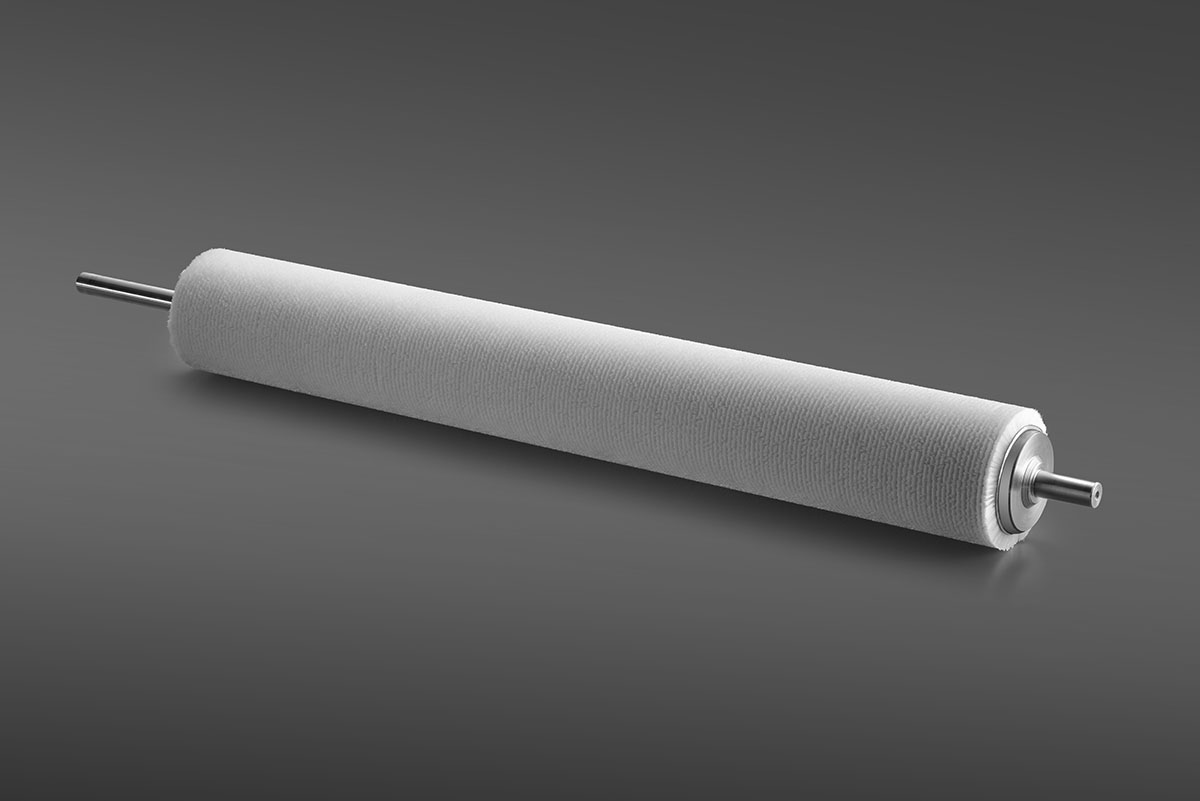
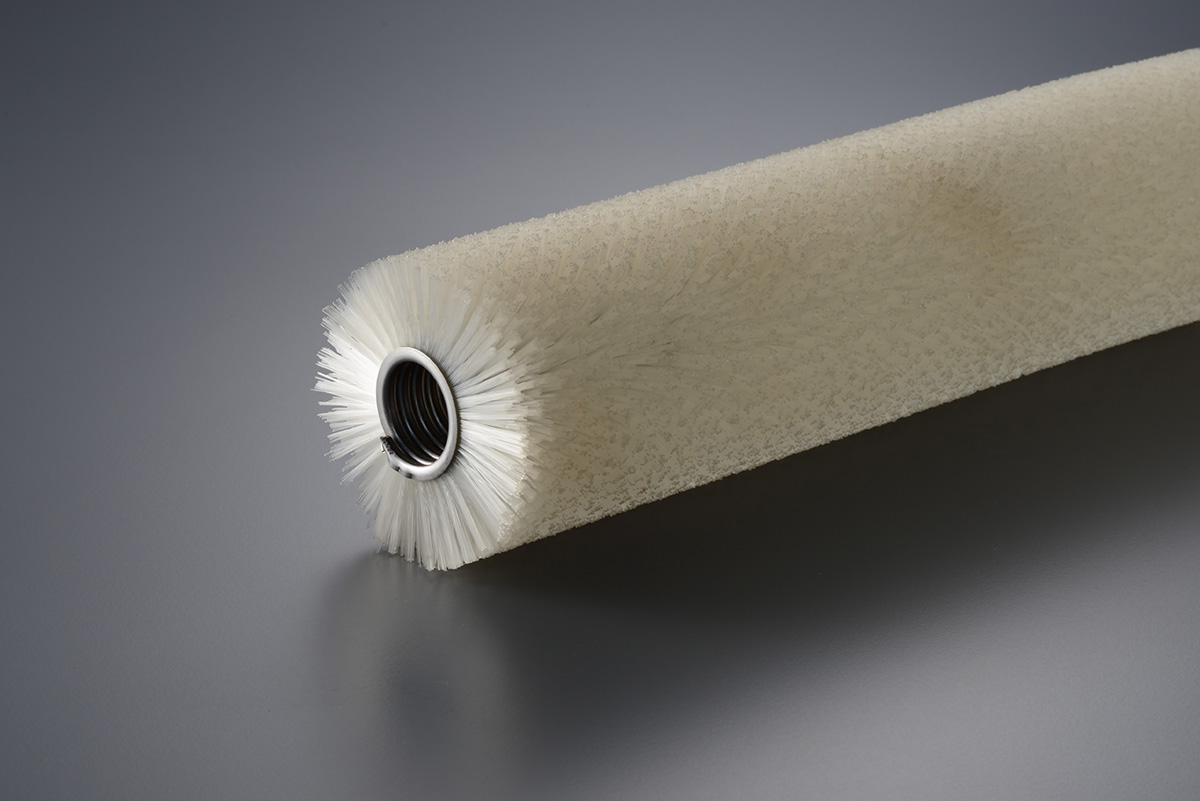
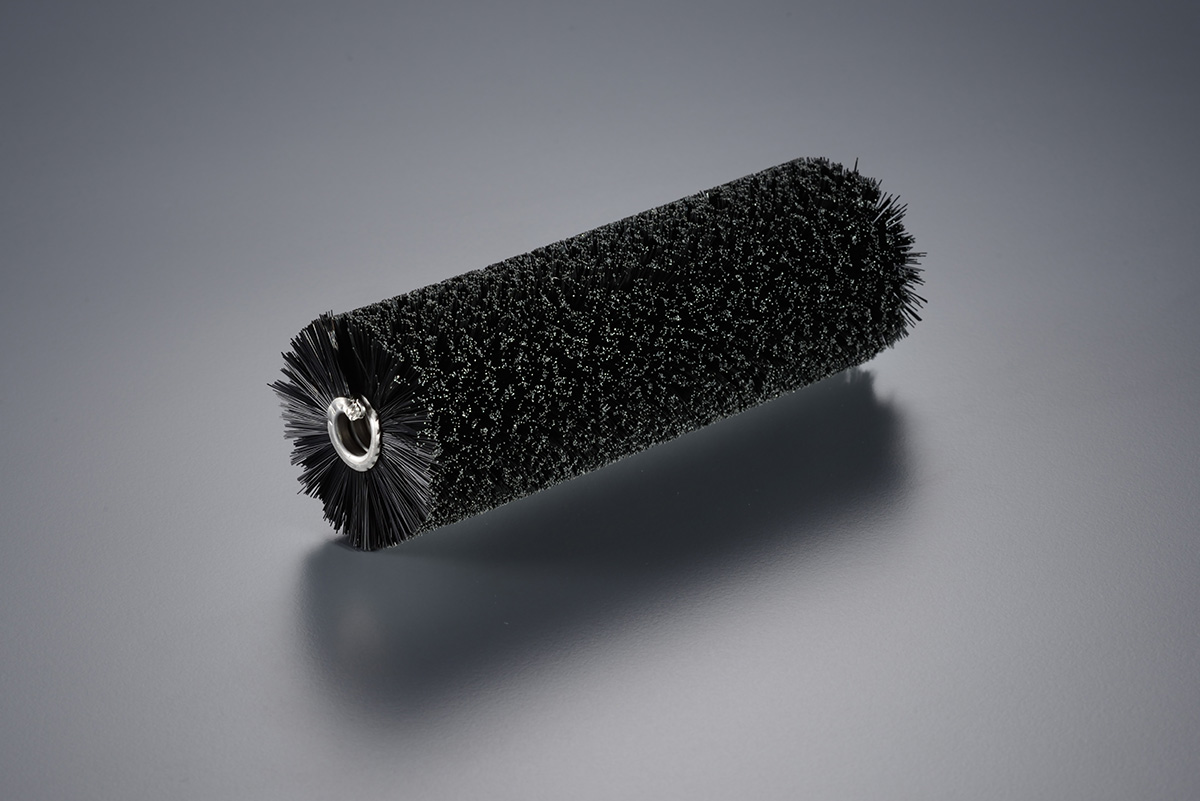
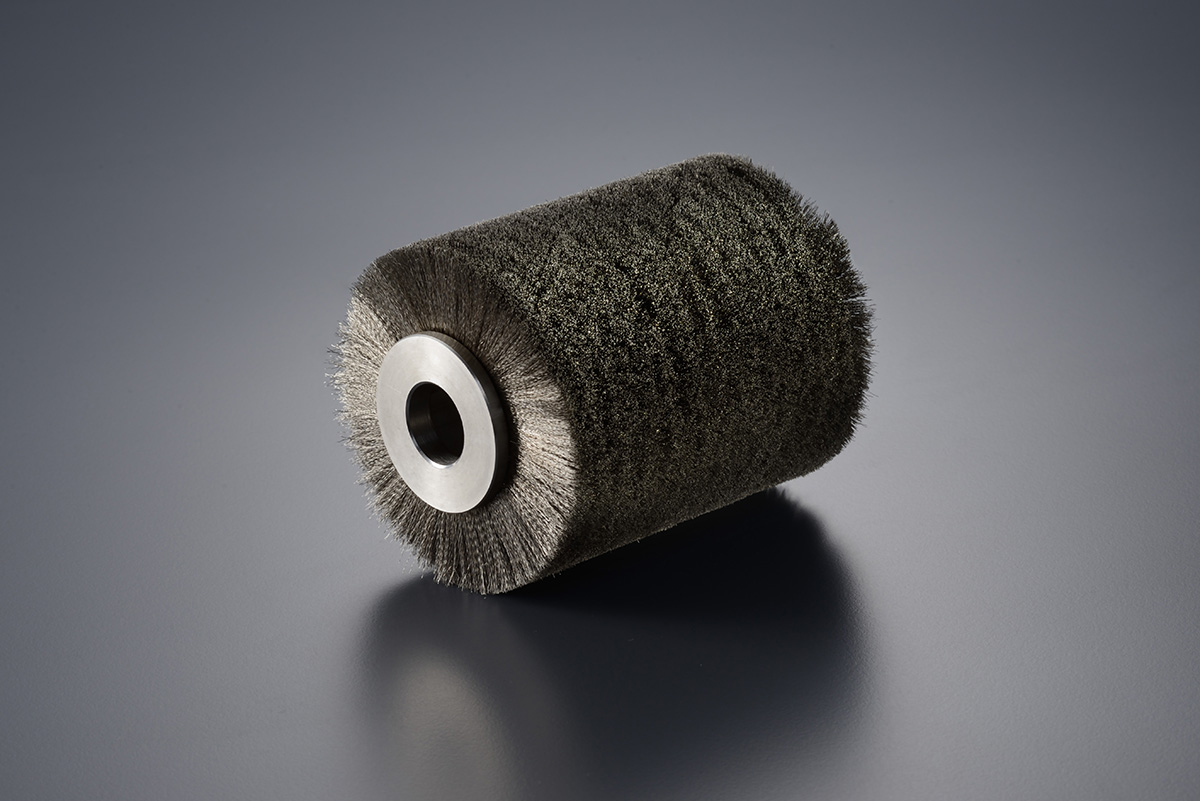
High-density Spiral Roller Brush (helical / strip-wound) for continuous, even contact. Configure pitch (lead) and LH/RH spiral direction to control brushing pattern and material movement, and match your rotation direction. Can be wound directly on a shaft for maximum rigidity and performance.
Product Details
What is a Spiral Brush?
A spiral brush is a strip brush wound helically around a core or directly onto a shaft. This construction creates near-seamless bristle coverage, giving more consistent contact than segmented builds—especially important on high-speed lines.
Also commonly searched as: spiral roller brush, helical brush, strip-wound brush, wound roller brush.
Pitch (Lead) and Why It Matters
Pitch (also called lead) is the distance between each spiral turn along the roller length.
Pitch affects:
• Brush density: tighter pitch = higher coverage and more contact points
• Cleaning/wiping intensity: denser contact can improve cleaning consistency
• Material movement: certain pitch selections can gently “guide” or “push” parts/media along the roller depending on application
We can build tight pitch (high density) for maximum brushing performance, or open pitch when you need lighter contact or more clearance.
Spiral Direction and Rotation Direction (LH/RH Configuration)
Spiral brushes can be wound in:
• Right-hand (RH) helix
• Left-hand (LH) helix
By matching the helix direction with your machine’s rotation direction, you can:
• Maintain a consistent brushing pattern across the face
• Influence whether the brush tends to move material left/right (useful for guiding, centering, or preventing drift)
• Reduce unwanted “tracking” effects in certain conveyor or wet-line applications
If you tell us the rotation direction (clockwise/counterclockwise when viewed from the drive side) and what you want the brush to do, we will recommend the best LH/RH configuration.
Wound Directly on Shaft (Maximum Performance Option)
For maximum rigidity and stability—especially at higher RPM—we can wind the spiral brush directly onto the shaft. This minimizes assembly interfaces, improves concentricity, and helps maintain consistent contact under load. It also reduces the risk of loosening compared to multi-piece assemblies in demanding conditions.
Common Industrial Applications
• Conveyor and belt cleaning / wiping
• Washing and rinsing rollers (wet line)
• Guiding or stabilizing parts/media flow (via pitch and LH/RH selection)
• Dust removal, surface brushing, light deburring (filament-dependent)
How to Specify (Fast Quotation)
Send:
• Brush OD, face length, shaft OD / core ID
• Pitch requirement (or desired density/performance)
• Rotation direction (drive side view) and whether you want any guiding effect
• Filament type + diameter (or application + surface)
• RPM, wet/dry environment
• Photo/drawing/sample (best)
Call to action
Share your dimensions and rotation direction, and we will propose the correct pitch and LH/RH spiral configuration, plus a fast quotation.